Beyond the Hype: 5 Surprising Lessons from Enterprise AI Translation
The C-Suite’s AI Mandate
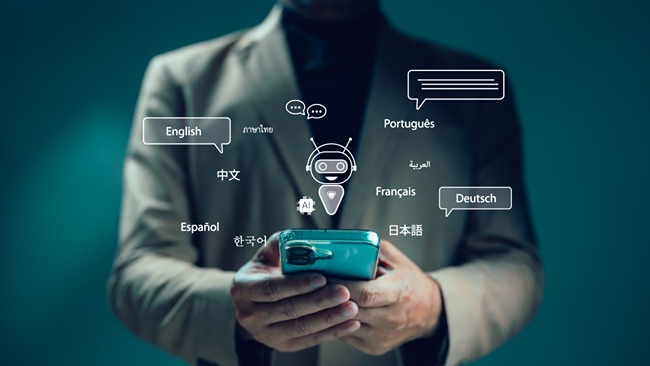
Executives across industries are pushing for AI adoption, and enterprise AI translation is becoming a critical focus for global businesses. While consumer tools like ChatGPT make AI appear effortless, applying it to high-stakes translation tasks is far more complex.
The lessons below, drawn from leaders at Nimdzi Insights, Smartling, and Zoom, reveal how to turn the AI mandate into a competitive advantage.
-
“Just Use ChatGPT” Is Risky
Using consumer-grade AI tools for enterprise translation is a flawed strategy. ChatGPT and similar LLMs aren’t designed for precise translation, producing twice as many errors as purpose-built engines. Manual copy-paste workflows are unscalable, error-prone, and lack process control. Outputs are generic, ignoring brand voice, style, and terminology. Additionally, LLMs can “hallucinate” facts, and sharing sensitive content with public tools risks confidentiality. Mature organizations integrate AI into controlled, secure platforms, not standalone chat interfaces.
-
The Real Revolution is the Workflow
The biggest gains from AI come from end-to-end, automated workflows, not incremental model improvements. Modern workflows combine:
- Custom-trained engines
- AI learning from human edits
- Glossaries and translation memory management
- Automated post-editing and QA
- Hallucination detection
This approach delivers tangible results: 3 times more content translated, 60% lower cost per word, 4 times faster delivery, and 30% quality improvement. By focusing on the process, companies turn AI into a strategic asset rather than a tactical tool.
-
Shift from Cost to Revenue and Risk
Localization has long been treated as a cost center, focusing on “per-word” rates. Executives care about impact: revenue, customer engagement, and risk. Reframing the conversation can include:
- Linking localization to revenue gains, e.g., localizing German content drives €1M incremental revenue
- Demonstrating customer preferences: 75% prefer content in their native language
- Reducing churn: translating onboarding materials can significantly cut early churn
- Quantifying risk: not localizing can put millions at risk
- This perspective positions localization as a strategic driver of business outcomes.
-
AI’s Power Is Expansion, Not Just Cost-Cutting
AI efficiency enables growth, not just savings. Companies can:
- Double language coverage without extra budget
- Translate previously ignored “long-tail” content, improving customer experience
- Simultaneously launch products globally
- Reinvesting AI-generated savings into expansion transforms localization from a cost function into a strategic growth engine.
-
Start Small, Learn, and Measure
High-risk projects may seem tempting, but they are dangerous for new AI teams. Start with internal or support content to test, refine, and gain confidence. Measure key metrics from day one: cost per word, turnaround time, and AI-human workflow efficiency. Early wins build momentum and credibility, preparing teams for more critical, customer-facing projects.
From Magic Button to Strategic Engine
Enterprise AI success depends on strategy, workflow design, and alignment with business goals—not on one-click tools. Leaders who integrate AI into optimized, automated processes and link results to revenue and risk will turn AI into a true engine for global growth. The key question is no longer whether to use AI, but how to wield it for scalable, measurable impact.