Restaurant Menu Translation: 20 Expert Tips for Perfect Localization
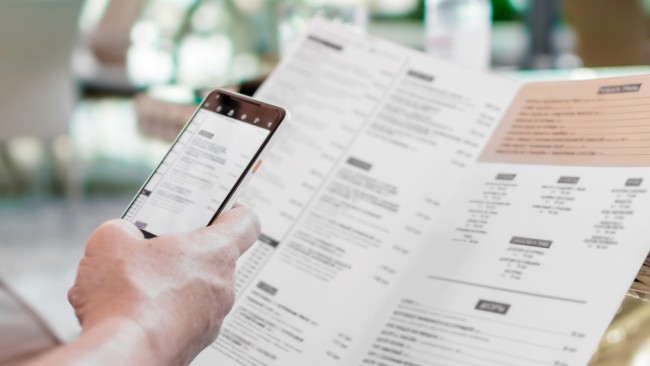 Restaurant menu translation is no longer optional in today’s global dining economy. Restaurants are no longer serving just local guests—they’re serving an international audience with diverse cultural expectations, dietary requirements, and language preferences. From luxury hotel restaurants and resorts to global franchise brands, menu localization and translation have become critical drivers of customer experience, brand perception, and revenue growth.
However, translating a menu is not simply a linguistic exercise—it is a strategic, cultural, and commercial one. Each language—especially Arabic, Chinese, and Russian—brings unique structural, cultural, and culinary expectations. A poorly translated menu can confuse diners, reduce perceived quality, and even create compliance risks. A well-localized menu, on the other hand, enhances appetite appeal, builds trust, and increases average order value.
This blog provides a complete, ready-to-publish guide covering:
- Top 20 questions to ask before translating menus
- Top 20 expert tips for successful menu localization
Top 20 Questions to Ask Before Translating a Menu for Effective Restaurant Menu Translation
A successful menu localization project begins with asking the right questions. Each question below includes a practical explanation or example to guide decision-making.
-
What is the target audience for each language?
Explanation: Understanding whether your audience is tourists, locals, or expatriates determines tone and complexity.
Example: Chinese tourists may prefer detailed dish descriptions, while local diners may prefer concise names.
-
Which specific language variants are required?
Explanation: Languages vary by region and script.
Example: Simplified Chinese (Mainland China) vs. Traditional Chinese (Hong Kong); Gulf Arabic vs. Modern Standard Arabic.
In the Arabic context, “Modern Standard Arabic” (MSA) is the baseline, but for luxury hospitality in the GCC, we often need to confirm that the dialect feels accessible to all Arabs without being overly stiff or tied to a specific dialect, so the clients may ask for MSA with Gulf flavor.
-
What dining experience are you trying to convey?
Explanation: Tone should match the brand positioning.
Example: A fine dining restaurant may describe a dish as “Hand-selected Wagyu beef with truffle essence,” while a casual restaurant might say “Grilled beef with mushrooms.”
-
Do you want translation or transcreation?
Explanation: Literal translation may not convey appeal or meaning.
Example: “Loaded fries” translated literally into Russian may confuse diners; transcreation would describe toppings clearly.
-
Are there culturally sensitive ingredients or concepts?
Explanation: Some ingredients may require adaptation or removal.
Example:
- Pork dishes may need alternative descriptions or labeling in Arabic markets.
- Alcohol: Many menus use wine-based reductions, so this needs to be confirmed by the client, how should alcohol-related culinary terms be handled? Should we use ‘Grape reduction’ instead of ‘Wine reduction’ to respect local sensitivities while maintaining the flavor profile description?
- Alcohol section to be translated or not?
-
Do you have an existing glossary or brand terminology?
Explanation: Consistency across menus is essential.
Example: If “signature burger” is translated differently across locations, it weakens brand identity.
-
How should dish names be handled?
Explanation: Decide between translation, transliteration, or hybrid.
Example:
- “Paella” may remain untranslated but include a description in Chinese.
- Top of Form
- If you want a bilingual format, which language should come first? Should it be side by side or one beneath the other?
- Bottom of Form
-
What level of detail should be included in descriptions?
Explanation: Cultural expectations differ.
Example: Chinese menus often list ingredients in detail, while Western menus emphasize storytelling.
-
Are there legal or regulatory requirements?
Explanation: Compliance varies by region.
Example: EU regulations may require allergen labeling; Gulf markets may require halal clarity.
-
Will the menu be printed, digital, or both?
Explanation: Format impacts structure and length.
Example:
- A mobile menu may require shorter descriptions than a printed fine dining menu.
- Are we required to print it on one page or in spreadsheet format?
-
Who is responsible for reviewing and approving translations?
Explanation: Clear ownership prevents delays.
Example: – Include chefs, marketing teams, and in-country reviewers for accuracy.
- Some times we may need chef briefing, “Seared Scallops” might be translated as simply “Grilled,” missing the specific high-heat technique that defines the dish’s texture and premium appeal, this may require time and cause delays.
-
Do you want menu items numbered for easy identification?
Explanation: Numbering simplifies ordering across languages.
Example: A customer can order “Item 12” instead of struggling with pronunciation.
-
Do you want menus in one language or multilingual?
Explanation: Layout and usability depend on this decision.
Example:
- Most of the Bilingual Arabic/English menus fail visually, so when mixing English (LTR) and Arabic (RTL), the layout shouldn’t just be translated—it must be mirrored. If the English image is on the left, the Arabic equivalent should ideally have the image on the right to respect the natural eye-tracking of the reader.
- Just consider the above in min and imagine how A trilingual menu (English, Arabic, Chinese) may require during the formatting phase to avoid clutter.
-
How should pricing be displayed across languages?
Explanation: Currency formats vary globally.
Example: In some regions, the currency symbol comes before the number; in others, after.
You may need to decide whether to display the prices in Arabic numerals on the Arabic menus or to leave them in English.
-
Are there seasonal or frequently changing items?
Explanation: Impacts translation workflow scalability.
Example: A seasonal menu requires quick turnaround and reusable translation memory.
-
Should culinary terms be localized or kept in the original language?
Explanation: Some terms are globally recognized; others are not.
Example: “Risotto” may remain unchanged, but “au jus” may require explanation.
-
Are there brand storytelling elements in the menu?
Explanation: Narrative content must also be localized.
Example: A story about ingredient sourcing should resonate culturally in each language.
-
What is the expected turnaround time?
Explanation: Deadlines affect quality and resource allocation.
Example: Rush translations may require additional review cycles.
-
Will images accompany menu items?
Explanation: Visuals can support or replace detailed descriptions.
Example: A photo of a dish may reduce the need for lengthy explanations in translation.
-
What is the long-term localization strategy?
Explanation: Plan for scalability and consistency.
Example: A global chain should implement translation memory and centralized workflows.
Top 20 Tips for Translating Menus Successfully
Once the right questions are answered, these execution tips ensure high-quality, culturally accurate menu localization.
-
Prioritize transcreation over literal translation
Explanation: Focus on appeal, not word-for-word accuracy.
Example: Translate “Spicy explosion chicken” into a culturally appealing equivalent rather than literal wording.
-
Use native linguists with culinary expertise
Explanation: Food terminology requires specialization.
Example: A general translator may misinterpret cooking techniques like “braised” vs. “stewed.”
-
Maintain appetite appeal in every language
Explanation: Descriptions should entice diners.
Example: “Slow-roasted lamb with aromatic herbs” sounds more appealing than “Cooked lamb.”
-
Adapt tone to match the dining experience
Explanation: Tone should align with brand identity.
Example: Fine dining menus use refined language; casual menus are more direct.
-
Handle transliteration strategically
Explanation: Keep recognizable names while aiding understanding.
Example: “Sushi (vinegared rice with seafood)” for unfamiliar audiences.
-
Optimize for readability and layout
Explanation: Account for language expansion and direction.
Example: Arabic text flows right-to-left and requires mirrored layouts.
-
Localize measurements and units
Explanation: Prevent confusion and improve clarity.
Example: Convert ounces to grams for international audiences.
-
Clearly label allergens and dietary information
Explanation: Builds trust and ensures compliance.
Example:
- Highlight “contains nuts” or “gluten-free” clearly in all languages.
- Decide whether the abbreviations should remain in English alongside the dish name, be translated, or be presented in English with the target language indicated in the footer section.
-
Respect religious and cultural dietary restrictions
Explanation: Critical for certain markets.
Example: Clearly label halal dishes in Arabic menus.
-
Avoid over-reliance on machine translation
Explanation: AI tools lack cultural nuance.
Example: Machine translation may misinterpret “buffalo wings” as referring to the animal.
-
Create and maintain a centralized glossary
Explanation: Ensures consistency across all menus.
Example: Standardize how “grilled chicken” is translated globally.
-
Use descriptive but concise language
Explanation: Balance clarity with appeal.
Example: Avoid overly long descriptions on mobile menus.
-
Adapt idioms and expressions carefully
Explanation: Idioms rarely translate well.
Example: “Finger-licking good” may need rephrasing in Russian or Chinese.
-
Test translations with native speakers
Explanation: Real-world validation improves quality.
Example: Conduct in-market reviews before launch.
-
Align menu structure across languages
Explanation: Maintain logical flow and usability.
Example: Keep categories consistent (Appetizers, Mains, Desserts).
-
Consider multilingual formatting strategies
Explanation: Layout affects usability.
Example: Side-by-side translations vs. separate menus for each language.
-
Ensure brand voice consistency
Explanation: Maintain the same personality across languages.
Example: A luxury brand should sound premium in every language.
-
Plan for scalability
Explanation: Future updates should be efficient.
Example: Use translation memory tools to reduce costs over time.
-
Incorporate SEO for digital menus
Explanation: Digital menus can drive online visibility.
Example: Use localized keywords for search engines and AI platforms.
-
Continuously refine based on customer feedback
Explanation: Localization is an ongoing process.
Example: Adjust translations based on customer confusion or preferences.
Conclusion
Menu localization is a strategic investment that directly impacts customer experience, brand perception, and revenue. By asking the right questions upfront and applying expert translation practices, restaurants can create menus that resonate across cultures and languages. In a global hospitality landscape, a well-localized menu doesn’t just communicate—it persuades, builds trust, and drives measurable business results.