Chinese New Year Is a Global Business Moment
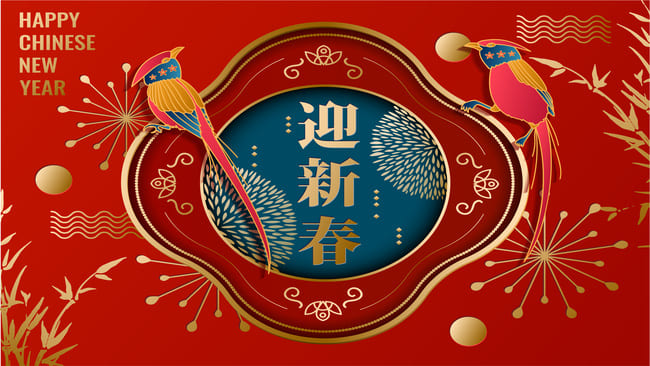 Chinese New Year—also known as Lunar New Year—is far more than a cultural celebration. It is one of the most commercially influential periods of the year for brands targeting Chinese-speaking audiences worldwide.
Each year, hundreds of millions of consumers across China, Taiwan, Singapore, and global Chinese diaspora markets actively engage with seasonal campaigns, promotions, and digital content. For businesses expanding into these markets, Chinese New Year represents both a major opportunity—and a significant risk.
Success during this period depends on more than translating words. It requires accurate translation, deep cultural localization, and cross-cultural marketing expertise. In this guide, we explain what Chinese New Year is, why it matters for businesses, and how professional translation and localization directly impact commercial performance.
What Is Chinese New Year?
Chinese New Year marks the beginning of the lunar calendar and typically falls between late January and mid-February. The festival lasts 15 days, starting with New Year’s Eve and ending with the Lantern Festival.
Each year is associated with one of the 12 zodiac animals, influencing themes, symbolism, and messaging used in marketing and communication.
Why Chinese New Year Matters for Businesses Expanding into Chinese Markets
Consumer Expectations Change During the Festival
Chinese-speaking consumers expect brands to acknowledge Chinese New Year appropriately. Campaigns that feel generic, mistranslated, or culturally tone-deaf are often ignored—or worse, criticized publicly.
During this period, audiences value:
- Respect for tradition
- Symbolic messaging
- Linguistic accuracy
- Localized emotional tone
Brands that meet these expectations build trust. Brands that miss them risk reputational damage.
Cultural Nuances Businesses Must Understand
Language Variations Matter
Chinese is not a single language. Businesses must account for:
- Traditional vs. Simplified Chinese scripts
- Regional phrasing and tone differences
A direct translation that works in one market may feel unnatural or incorrect in another.
Symbolism Is Powerful—and Risky
Colors, numbers, and phrases carry strong meanings:
- Red symbolizes luck and prosperity
- Gold represents wealth
- The number 8 is auspicious
- The number 4 is associated with bad luck
Incorrect usage in translated content can unintentionally offend or alienate customers.
Why Translation Alone Is Not Enough
Translation vs. Localization
Website translation into Chinese is only the first step. Localization adapts content to cultural, linguistic, and behavioral expectations.
Effective cultural localization in China considers:
- Idiomatic language use
- Cultural references and taboos
- Visual symbolism
- Local consumer behavior
- Platform-specific content norms
Without localization, even perfectly translated text can fail to resonate.
Common Chinese New Year Marketing Mistakes to Avoid
-
Literal Translation of Campaign Slogans
Direct translations often miss emotional nuance or cultural meaning. A slogan that sounds clever in English may feel awkward or confusing in Mandarin.
-
Using the Wrong Script
Using Simplified Chinese where Traditional Chinese is expected (or vice versa) signals a lack of local understanding and professionalism.
-
Ignoring Cultural Context
Using inappropriate imagery, unlucky numbers, or incorrect greetings can quickly undermine brand credibility.
-
Overgeneralizing “Chinese Audiences”
Chinese-speaking markets are not monolithic. Messaging must be adapted for regional and cultural differences.
Actionable Localization Tips for Chinese New Year Campaigns
Plan Early
Chinese New Year campaigns require early preparation. Translation, review, and localization cycles should begin months in advance.
Localize Visuals and UX
Localization goes beyond text:
- Adapt imagery and color usage
- Localize CTAs and UI elements
- Ensure culturally appropriate layouts
Use Native Linguists and Cultural Experts
Professional Chinese translators with cultural expertise ensure accuracy, tone, and relevance.
Align Messaging with Local Values
Themes such as family, prosperity, renewal, and good fortune resonate strongly during Chinese New Year.
The Role of Professional Translation in Business Expansion to China
Supporting Long-Term Market Growth
High-quality Chinese translation services support:
- Brand credibility
- Regulatory compliance
- Customer trust
- Higher conversion rates
Localization is not a one-off campaign task—it is a strategic investment in business expansion in China and Chinese-speaking markets globally.
Ensuring Consistency Across Channels
From websites and mobile apps to e-commerce listings and customer support, professional localization ensures consistent messaging across all touchpoints.
FAQ: Chinese New Year Translation and Localization
What is Chinese New Year, and why is it important for businesses?
Chinese New Year is the most important cultural and commercial period in Chinese-speaking markets. Businesses that localize their messaging effectively can significantly increase engagement and sales.
Why do businesses need professional Chinese translation services?
Professional translation ensures linguistic accuracy, cultural relevance, and brand credibility—especially during high-visibility periods like Chinese New Year.
What is the difference between Chinese translation and Chinese localization?
Chinese translation converts text into Chinese, while localization adapts content to cultural norms, regional expectations, and consumer behavior.
How can localization help avoid marketing mistakes in China?
Localization helps brands avoid cultural missteps, inappropriate language, and mistranslations that can damage trust and reputation.
Conclusion: Make Chinese New Year a Growth Opportunity, Not a Risk
Chinese New Year is one of the most powerful moments for engaging Chinese-speaking audiences—but only for brands that communicate with cultural intelligence and linguistic precision.
Professional Chinese market localization, website translation into Chinese, and expert cross-cultural marketing for China are essential for businesses that want to succeed, not just participate.
Ready to Localize Your Brand for Chinese Markets?
Our team specializes in Chinese translation services, cultural localization, and helping global brands connect authentically with Chinese-speaking audiences.
Contact us today to ensure your Chinese market campaigns—and your long-term expansion strategy—are built on accuracy, cultural respect, and measurable business impact.